
Treatments We Offer
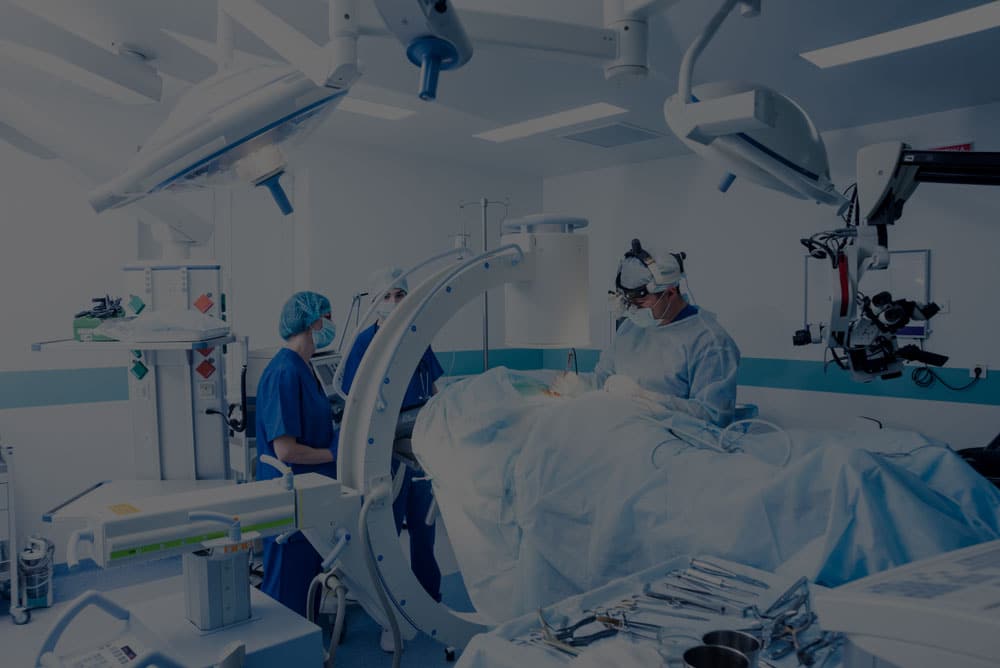
Premier NeuroSpine provides cutting-edge brain and spine treatments for a wide range of neurological and spinal conditions. Our team utilizes advanced, minimally invasive neurosurgical techniques whenever appropriate, helping to reduce recovery times, minimize discomfort, and improve outcomes.
From conservative therapies to complex surgical procedures, we offer personalized treatment plans designed to restore function, relieve pain, and help patients return to their daily lives with confidence.
Aneurysm Clipping and Coiling Brain Surgery
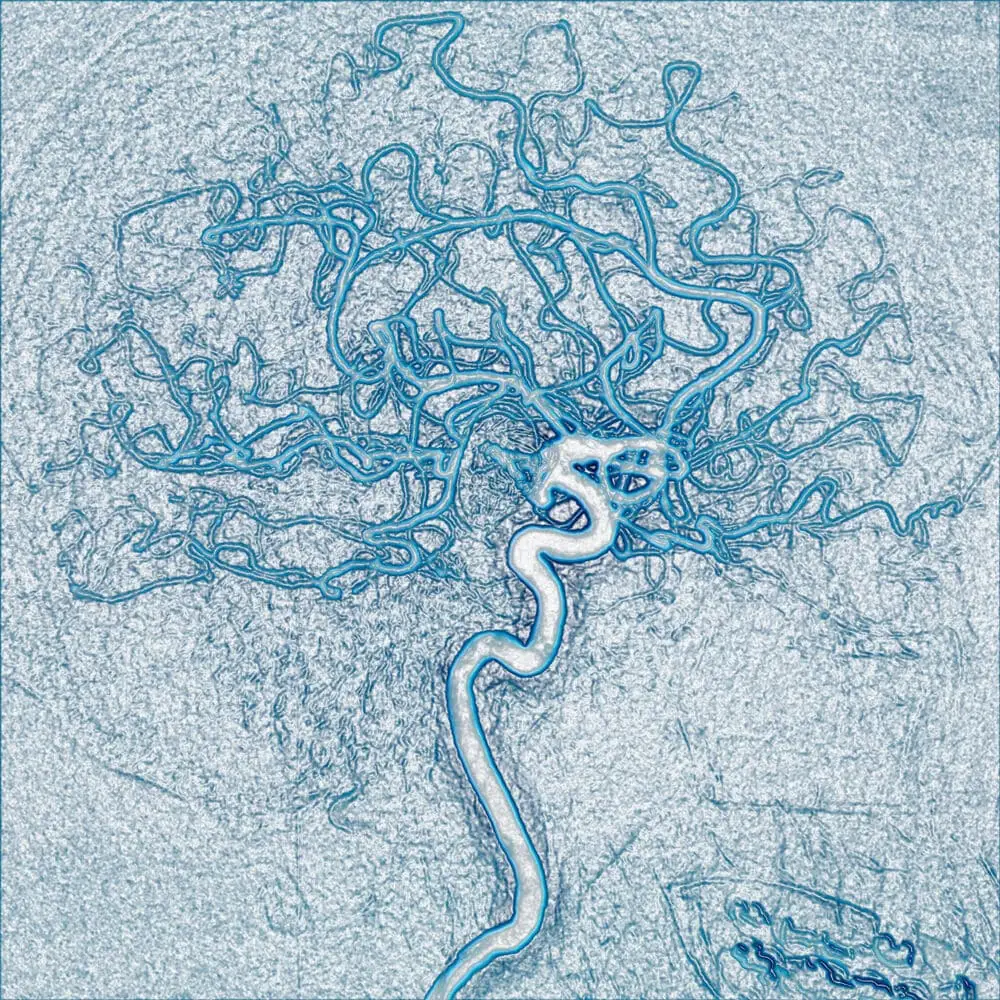
A brain aneurysm is a balloon-like bulge that develops in the wall of its parent artery. As the aneurysm grows, the artery wall weakens and the aneurysm may leak or rupture, causing blood to release into the brain. Most aneurysms are saccular, meaning they are shaped like a balloon with a small neck expanding into a dome. These are the easiest aneurysms to treat. Others have a wider neck or no definable neck, at all, known as fusiform. These are more difficult to clip or coil and may require stenting.
Anterior Cervical Discectomy and Fusion Spine Surgery
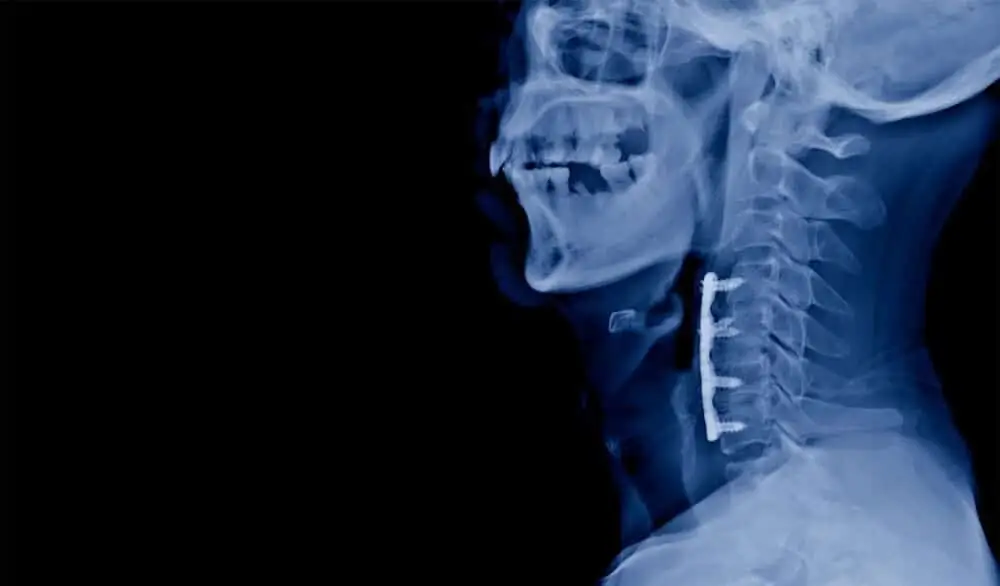
Candidates for an Anterior Cervical Discectomy and Fusion, or ACDF, typically suffer from a symptomatic herniated disc in the neck (cervical spine). Less commonly, an ACDF may be recommended to treat cervical degenerative disc disease, bone spurs caused by arthritis or cervical spinal stenosis.
Cervical Posterior Facet Joint Fusion Spine Surgery
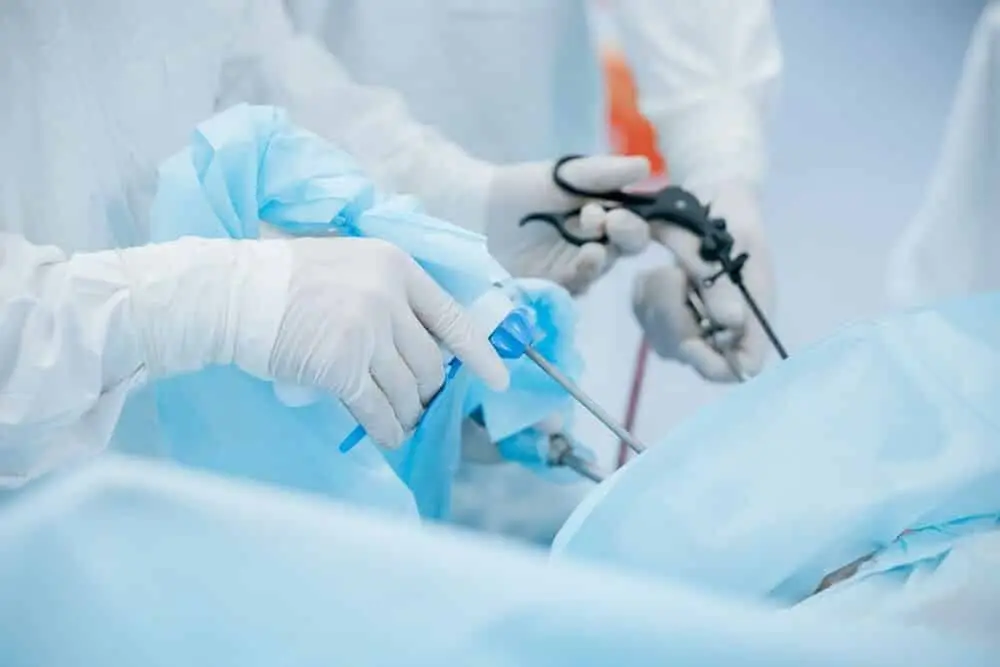
Facet joint disorders can often be treated nonsurgically and physicians will usually attempt nonsurgical treatments prior to considering surgery. The severity of a facet joint disorder may lead to restorative procedures such as a Cervical Posterior Facet Joint Fusion.
Cervical Posterior Foraminotomy Spine Surgery
Spinal stenosis is a blockage that narrows the spinal column and may block an intervertebral foramen, causing compression on the spinal nerves and resulting in back pain.
Chiari Malformation Repair Brain Surgery
Chiari malformations are structural defects that can occur in the cerebellum and spinal cord. These rare abnormalities cause the brain to protrude into the spinal space at the back of the skull.

Complex Spinal Tumor Resection
Complex spinal tumor resection is a specialized surgical procedure to remove tumors involving the spine that are difficult to access, involve multiple levels of the spinal column, or are associated with spinal instability or nerve compression. These tumors can be benign or malignant and may affect the vertebrae, spinal cord, nerve roots, or surrounding tissues. Because of their location and proximity to critical neural structures, complex resections often require advanced surgical planning and techniques to safely remove the tumor while preserving neurological function.
Craniectomy and Craniotomy Brain Surgery
Patients who undergo a Craniectomy or Craniotomy have generally suffered a traumatic brain injury that caused swelling or infection of the brain, have a brain tumor, hematoma, aneurysm or an arteriovenous malformation (AVM). If the patient has suffered an injury, a Craniectomy or Craniotomy may be necessary to relieve pressure on the brain from swelling. If undergoing surgery to treat a brain tumor, hematoma (blood clot), aneurysm (bulging artery) or AVM (tangle of blood vessels), a Craniectomy or Craniotomy may be necessary to access the part of the brain where the condition is located.
Cranioplasty Brain Surgery
For patients who suffer from cranial defects, neurological impairments, malformations, injury or who underwent a previous surgery and now experience headaches, a Cranioplasty may be recommended. A Cranioplasty repairs damage or defects in the skull that may leave the brain vulnerable. The surgery could also help to improve neurological function by protecting embedded neurotechnologies. Headaches caused by a previous surgery or injury could also be reduced by undergoing a Cranioplasty.
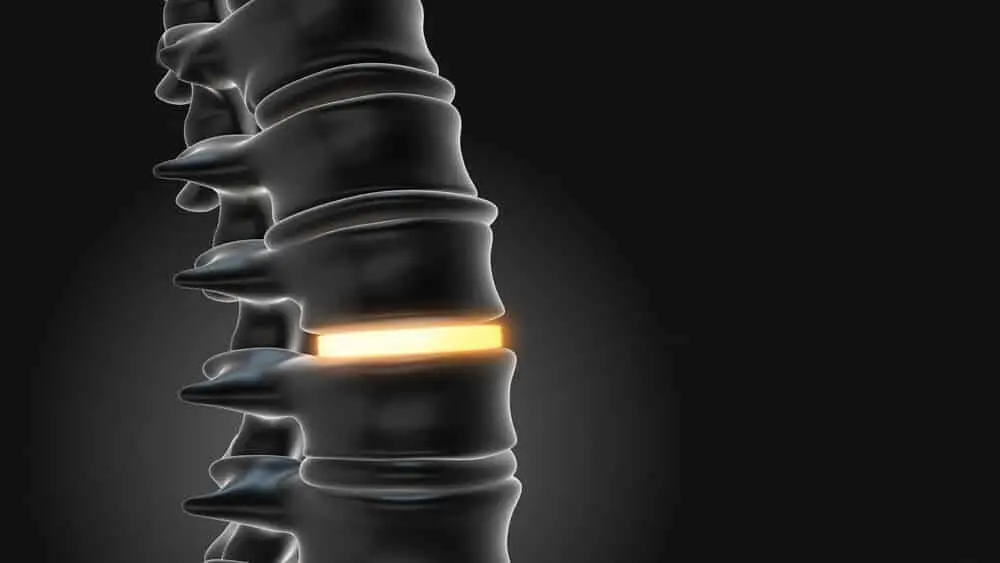
Disc Replacement (Arthroplasty) Spine Surgery
Age, genetics and everyday wear and tear can play a role in the deterioration of a patient’s discs, known as degenerative disc disease. Injury can also lead to disc damage and herniation. Patients experiencing symptoms of pain, weakness and numbness that can radiate through their shoulders, arms and legs may be candidates for a Disc Replacement or Arthroplasty procedure.
Endovascular Cerebral Artery Stenting Brain Surgery
Endovascular Cerebral Artery Stenting is a possible treatment option for artery ballooning or an aneurysm, in addition to clipping or coiling. A brain aneurysm is a balloon-like bulge that develops in the wall of its parent artery. As the aneurysm grows, the artery wall weakens and the aneurysm may leak or rupture, causing blood to release into the brain. Most aneurysms are saccular, meaning they are shaped like a balloon with a small neck expanding into a dome. These are the easiest aneurysms to treat. Others have a wider neck or no definable neck, at all, known as fusiform. These are more difficult to clip or coil and may require stenting.
Lumbar Foraminotomy Spine Surgery
Spinal stenosis is a blockage that narrows the spinal column and may block an intervertebral foramen, causing compression on the spinal nerves and resulting in back pain.

Lumbar Laminectomy Spine Surgery
A Lumbar Laminectomy procedure is often recommended following the failure of more conservative treatments. Prior to undergoing surgery, many physicians will attempt medication, injections and/or physical therapy. Patients who are experiencing symptoms such as muscle weakness or numbness, or loss of bowel and bladder control, and who’s symptoms have not improved satisfactorily without surgery may be candidates for a Lumbar Laminectomy.
Lumbar Microdiscectomy Spine Surgery
You may be a candidate for a Lumbar Microdiscectomy procedure if test results from an MRI, CT or myelogram reveal a damaged disc in your lower spine.
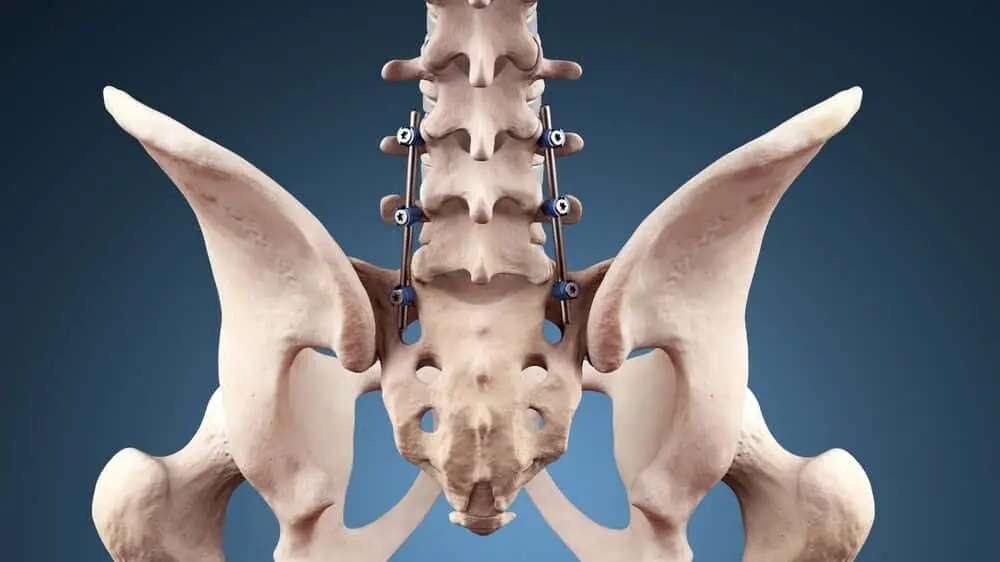
Lumbar Spinal Fusion Spine Surgery
Patients who are experiencing back pain due to conditions such as Degenerative Disc Disease, Spondylolisthesis, Spinal Stenosis, Scoliosis, Fractured Vertebra or a Herniated Disc may be candidates for a Lumbar Spinal Fusion procedure.
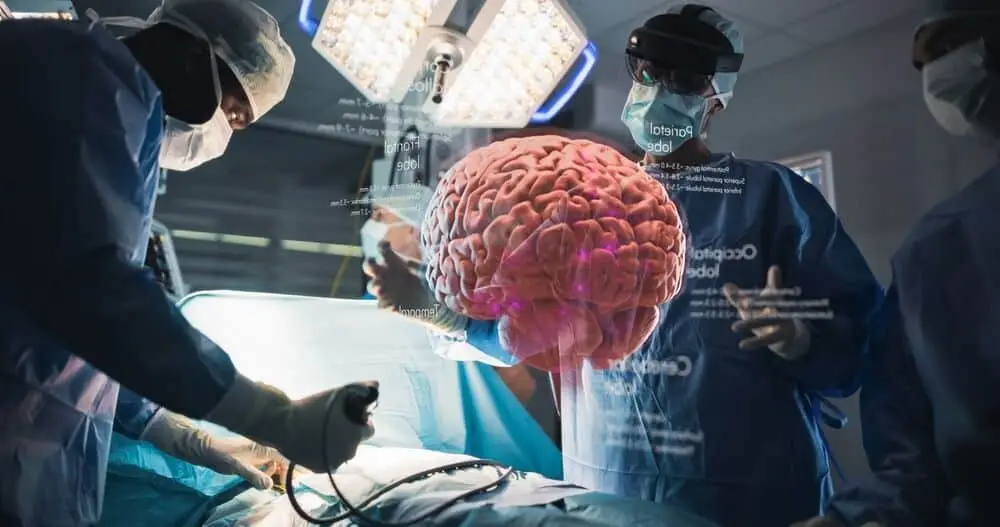
Microvascular Decompression Brain Surgery
Patients who have been diagnosed with hemifacial spasm, glossopharyngeal neuralgia or trigeminal neuralgia all are candidates for Microvascular Decompression.
Minimally Invasive Facet Injection
Facet joints are small joints located at each segment of the spine. We rely on these joints for stability and guidance in our movements. Stress, chronic strain, injuries, arthritis and other conditions can cause pain and inflammation within the facet joints. A facet injection is a minimally invasive procedure that can relieve facet joint pain.
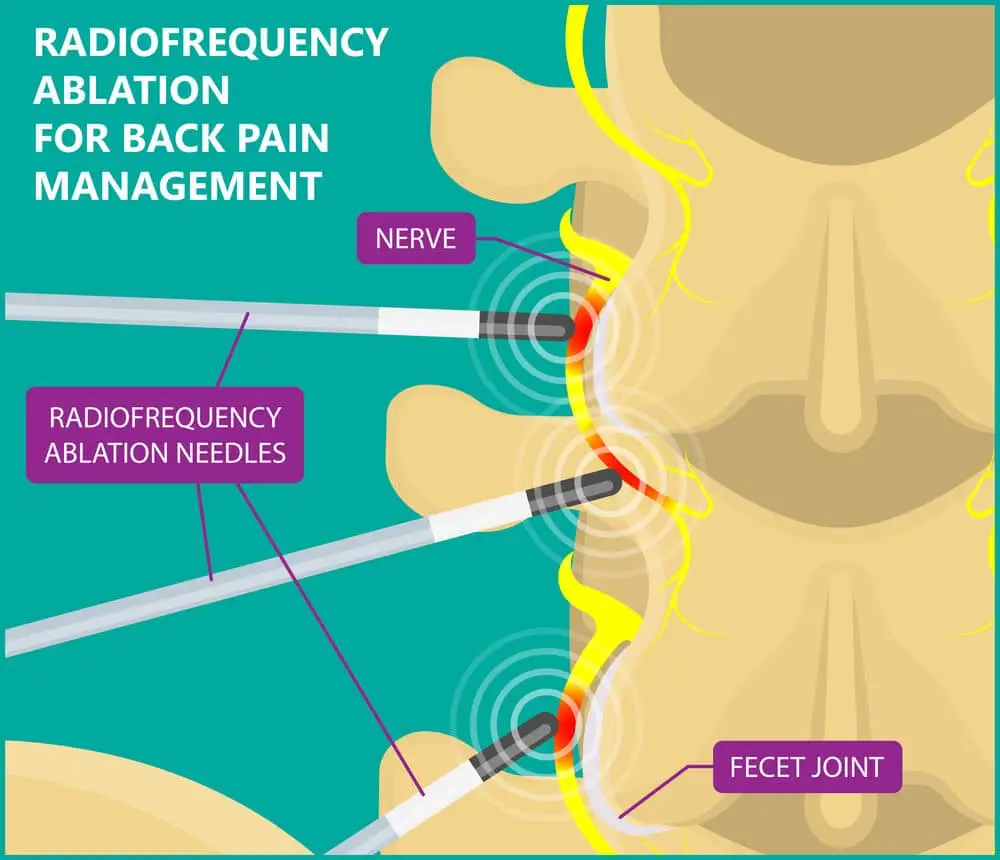
Minimally Invasive Intracept® Procedure
Patients who suffer from chronic vertebrogenic low back pain (CLBP), many of whom may have previously been diagnosed with discogenic low back pain, could be ideal candidates for the Intacept® Procedure.
Minimally Invasive Kyphoplasty and Vertebroplasty
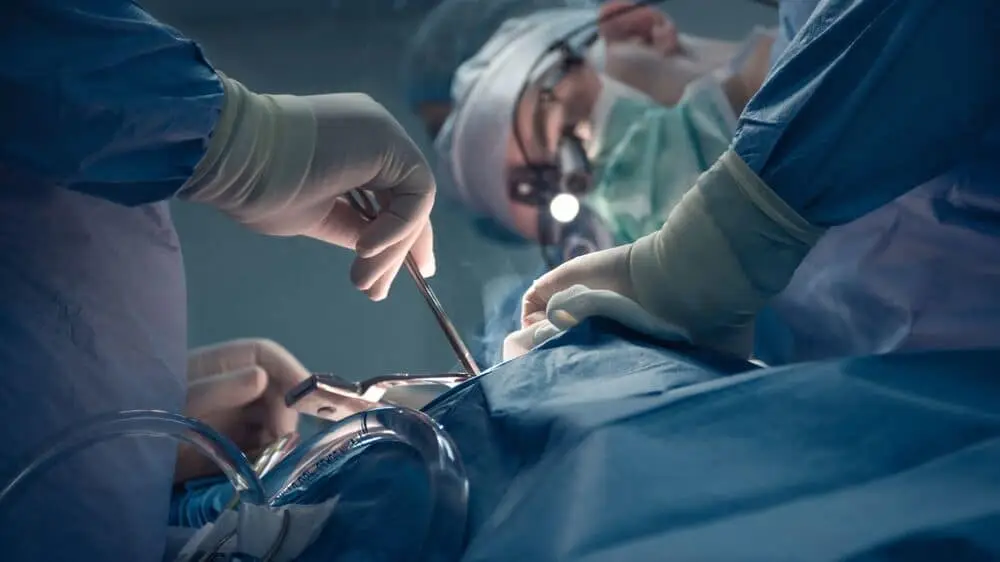
Kyphoplasty and vertebroplasty are procedures commonly used to treat an injury called a vertebral compression fracture, which occurs when the body collapses inward to produce a wedged-shaped spinal fracture. The condition that describes a humped spine that forms as a result of this type of fracture is called kyphosis.
Minimally Invasive Spinal Cord Stimulator Trial
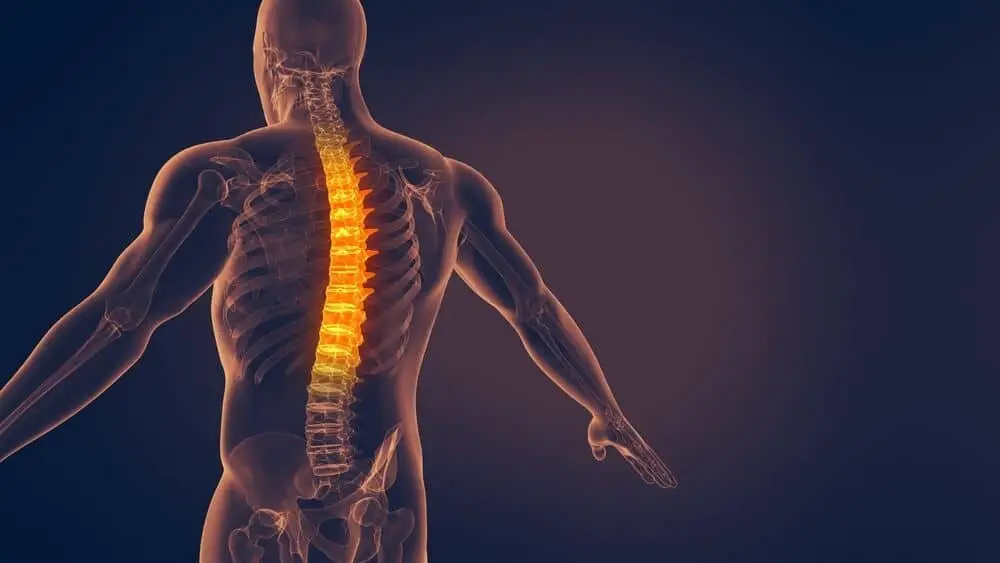
A spinal cord stimulator is a nonsurgical option for spinal pain that uses an implanted device to send low-wave electrical impulses directly to the spinal cord. Designed to relieve pain that isn’t responding to other treatments, a spinal cord stimulator can help to restore quality of life without pain medication. However, it can also be used with other pain treatments.

Minimally Invasive Trigger Point Injection
A trigger point injection (TPI) is considered a routine, noninvasive procedure that can help with pain management. A typical injection appointment takes just minutes. While TPIs are considered both safe and routine, it’s important to know all the facts when choosing this treatment for muscle pain.
Minimally Invasive Tumor Resection Brain Surgery
A brain tumor is an irregular growth of cells that may have originated from the brain tissue (primary) or may have spread from another area of the body affected by cancer (metastasis). Brain tumors can either be benign, meaning the tumor is not cancerous, or may be malignant, meaning the tumor does carry cancerous cells. Both forms can be potentially life-threatening depending on placement and rate of growth. Many brain tumors can be successfully resected.

Muscle Biopsy
A muscle biopsy is a diagnostic procedure in which a small sample of muscle tissue is removed and examined under a microscope to evaluate muscle structure and function. It is used to help diagnose neuromuscular disorders, muscle diseases, inflammatory conditions, metabolic abnormalities, and nerve-related muscle weakness. The procedure may be performed using a needle (needle biopsy) or through a small surgical incision (open biopsy), depending on the condition being evaluated.
Nerve Biopsy
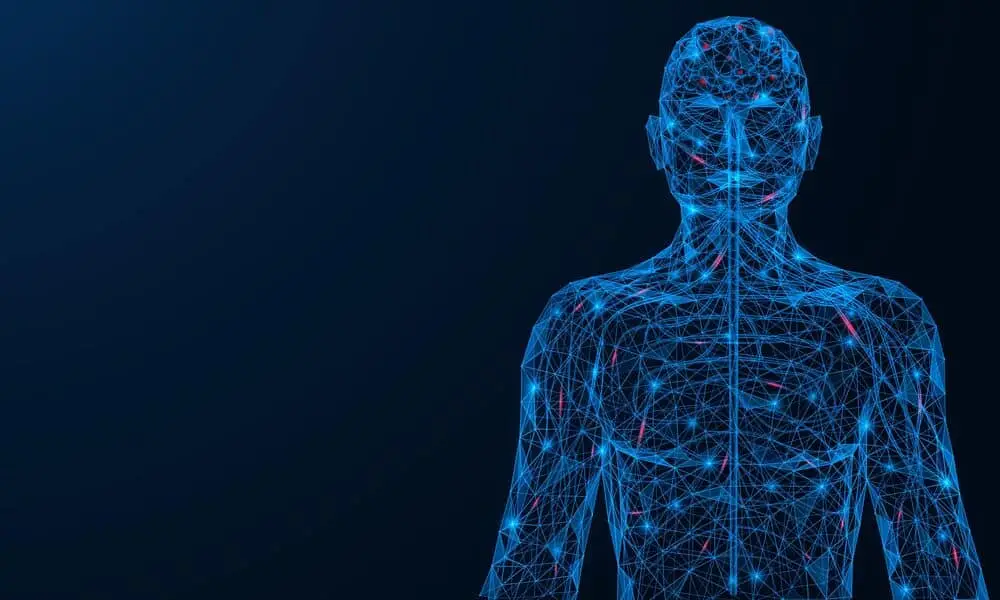
A nerve biopsy is a diagnostic procedure in which a small segment of a peripheral nerve is surgically removed and examined under a microscope. This procedure is used to evaluate nerve structure and identify underlying causes of peripheral neuropathy or nerve dysfunction. Nerve biopsies are typically performed on sensory nerves, such as the sural nerve in the lower leg, to minimize functional impact.
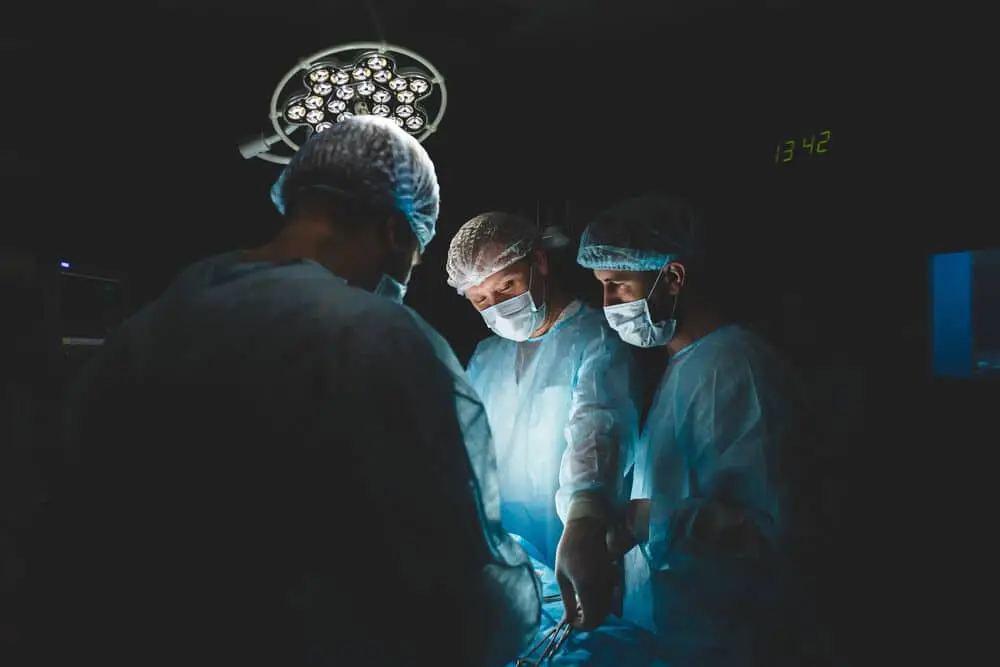
Open Tumor Resection Brain Surgery
A brain tumor is an irregular growth of cells that may have originated from the brain tissue (primary) or may have spread from another area of the body affected by cancer (metastasis). Brain tumors can either be benign, meaning the tumor is not cancerous, or may be malignant, meaning the tumor does carry cancerous cells. Both forms can be potentially life-threatening depending on placement and rate of growth. Many brain tumors can be successfully resected.
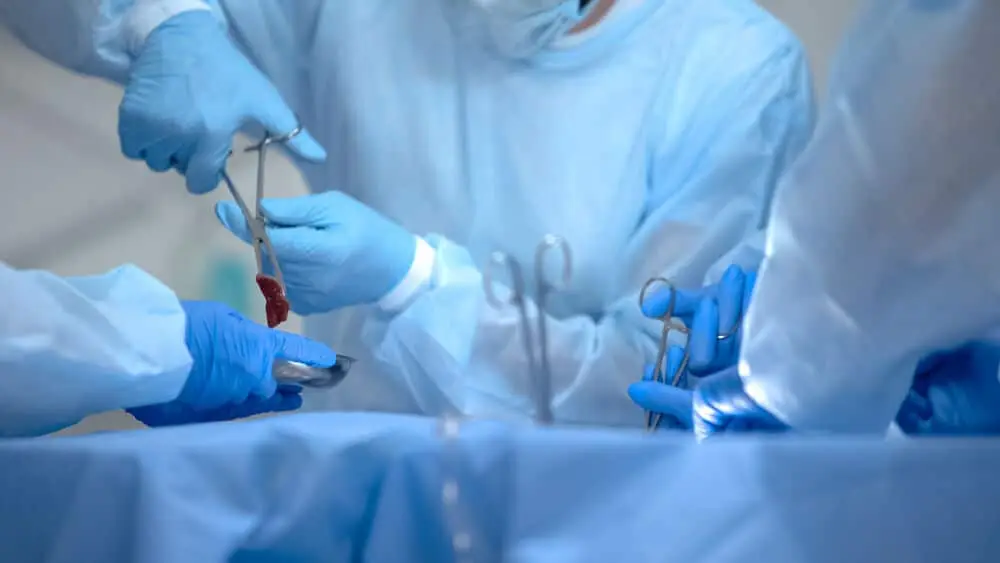
Peripheral Tumor Resection
Peripheral tumor resection is a surgical procedure performed to remove tumors that arise from or involve the peripheral nerves outside the brain and spinal cord. These tumors may be benign or malignant and can affect nerves in the arms, legs, neck, or trunk. Because peripheral nerves control sensation and movement, careful microsurgical techniques are used to remove the tumor while preserving nerve function whenever possible.
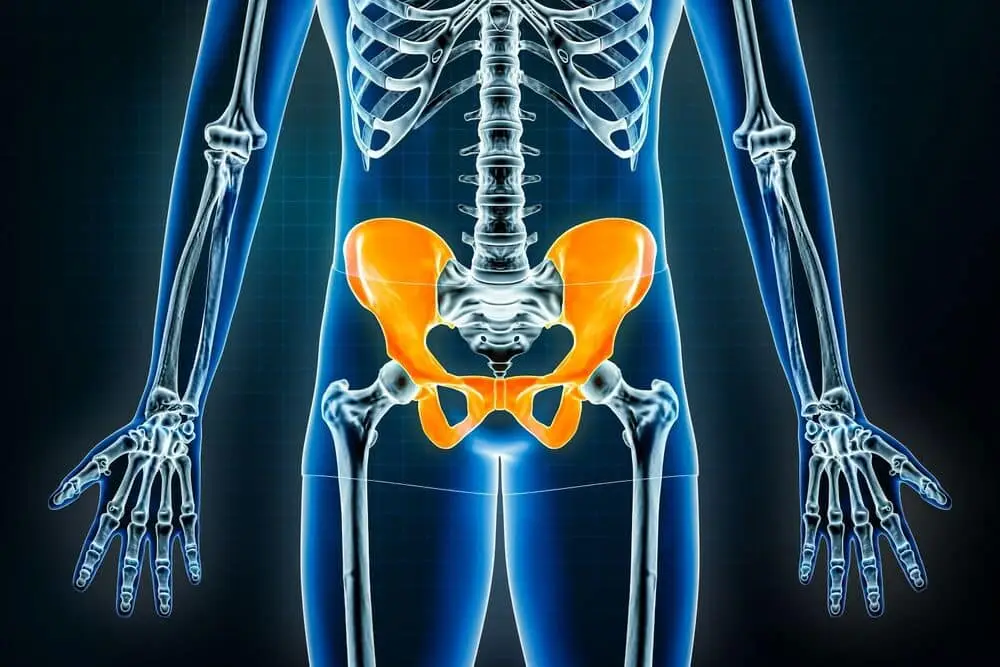
SI Joint Fusion Spine Surgery
The SI joint can be a significant cause of lower back pain. Clinical publications have identified the SI joint as a pain generator in 15-30% of chronic lower back pain patients. In addition, the SI joint is a pain generator in up to 43% of patients with continued or new onset lower back pain after a lumbar fusion.
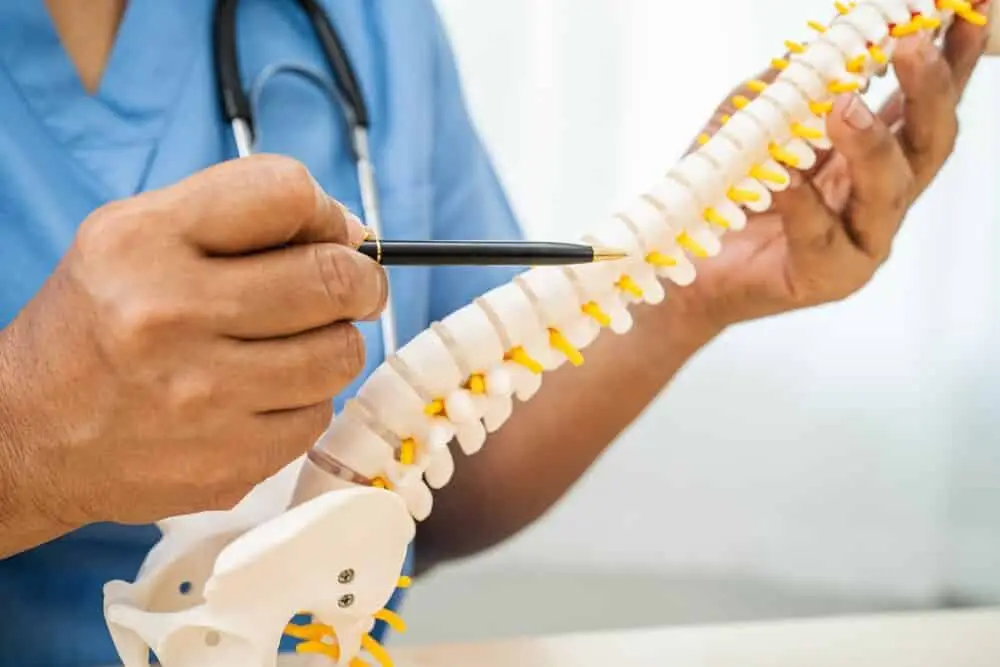
Spinal Cord Stimulator Implant Spine Surgery
Patients who experience chronic pain and for whom nonsurgical pain treatment options have failed may be candidates for a Spinal Cord Stimulator Implant.
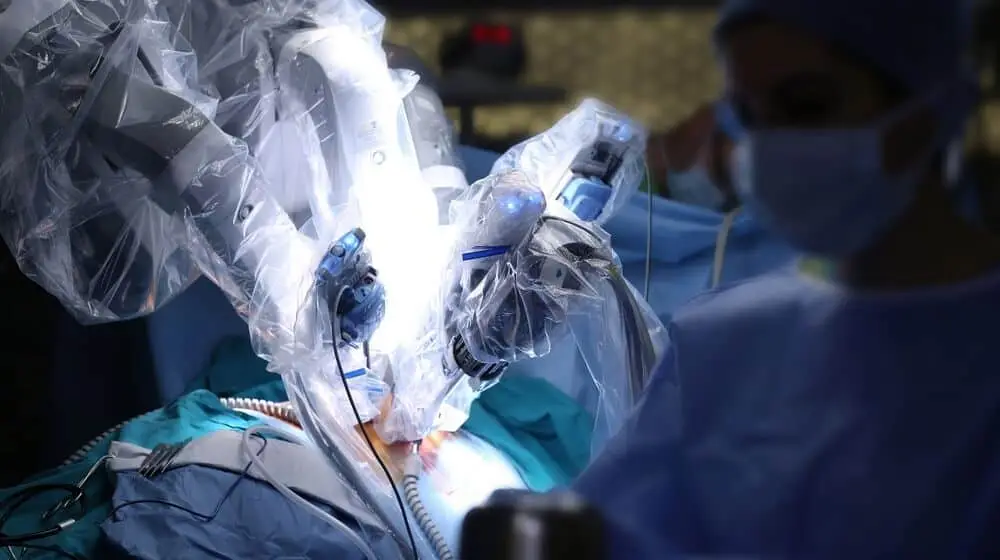
Stereotactic Radiosurgery Cyberknife Brain Surgery
Patients who undergo Stereotactic Radiosurgery (SRS) Cyberknife surgery are typically being treated for either metastatic tumors or tumors that have spread to the brain from the lung, breast, or skin (melanoma). Those with benign brain tumors falling under the categories of acoustic neuroma, meningioma, craniopharyngioma, pituitary adenoma, hemangioblastoma, and glomus tumor are also considered candidates. In addition, Stereotactic Radiosurgery Cyberknife surgery is also approved for patients with trigeminal neuralgia, glioblastoma (GBM), arteriovenous malformation (AVM) and essential tremor.
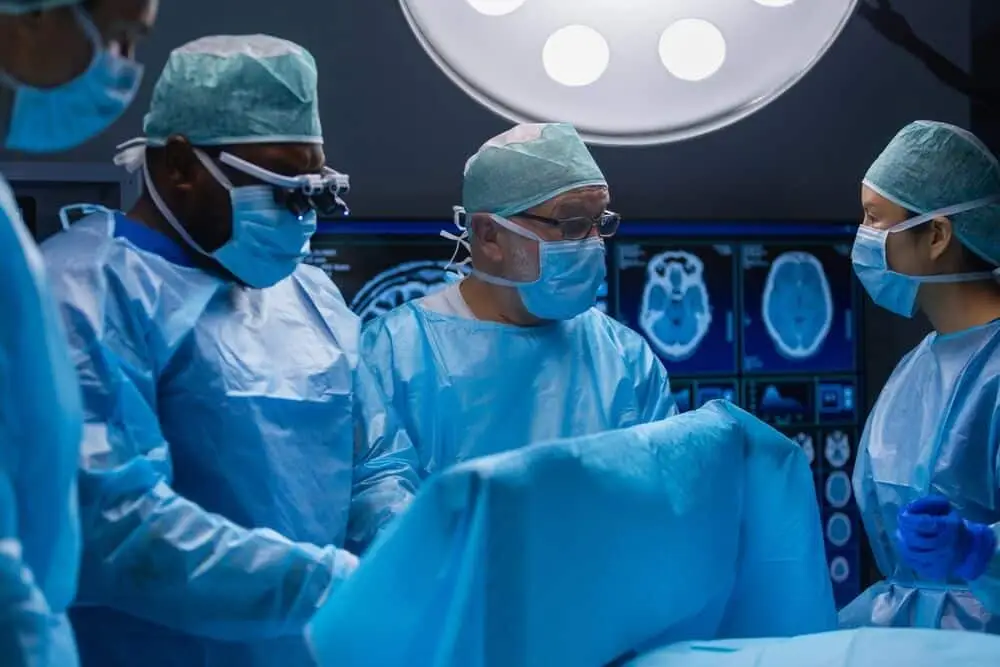
Ventriculoperitoneal Shunt Placement Brain Surgery
Placing a Ventriculoperitoneal Shunt is a surgical procedure that treats hydrocephalus, which is a condition that occurs when excess cerebrospinal fluid builds up in the ventricles of the brain. Cerebrospinal fluid acts as a cushion between the brain and the skull and delivers vital nutrients to the brain while also washing away waste. The fluid flows through the ventricles to the brain stem, cleansing the brain and spinal cord before it is reabsorbed into the blood.
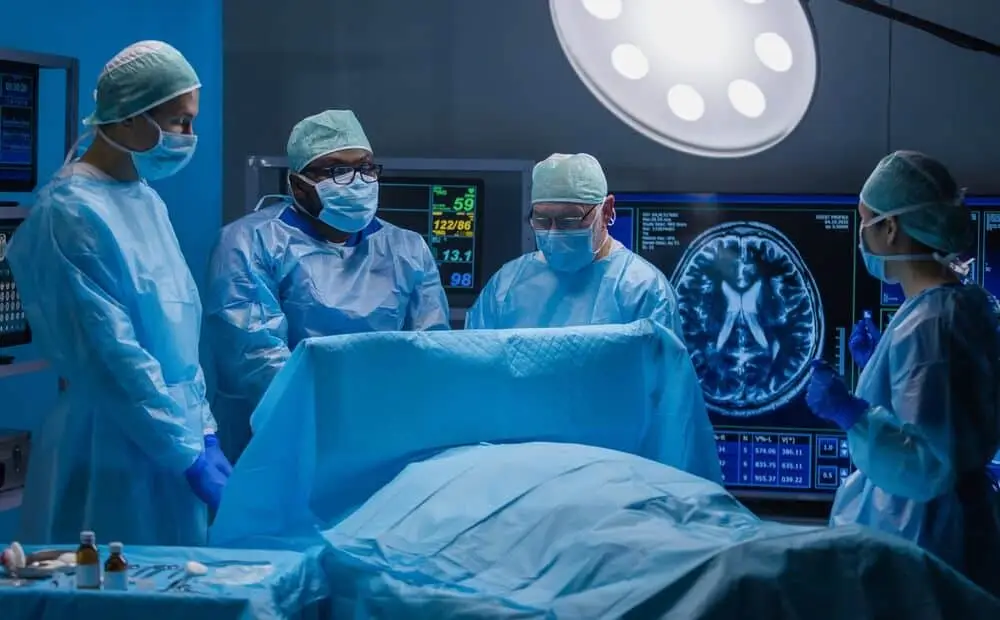
Ventriculoscopy
Ventriculoscopy is a minimally invasive neurosurgical procedure that uses an endoscope to directly visualize and access the fluid-filled ventricles within the brain. A thin, flexible or rigid surgical endoscope with a camera and light is inserted through a small incision and burr hole in the skull, allowing the surgeon to diagnose and treat conditions affecting the ventricular system, including blockages of cerebrospinal fluid (CSF) flow.