
CONDITIONS WE TREAT
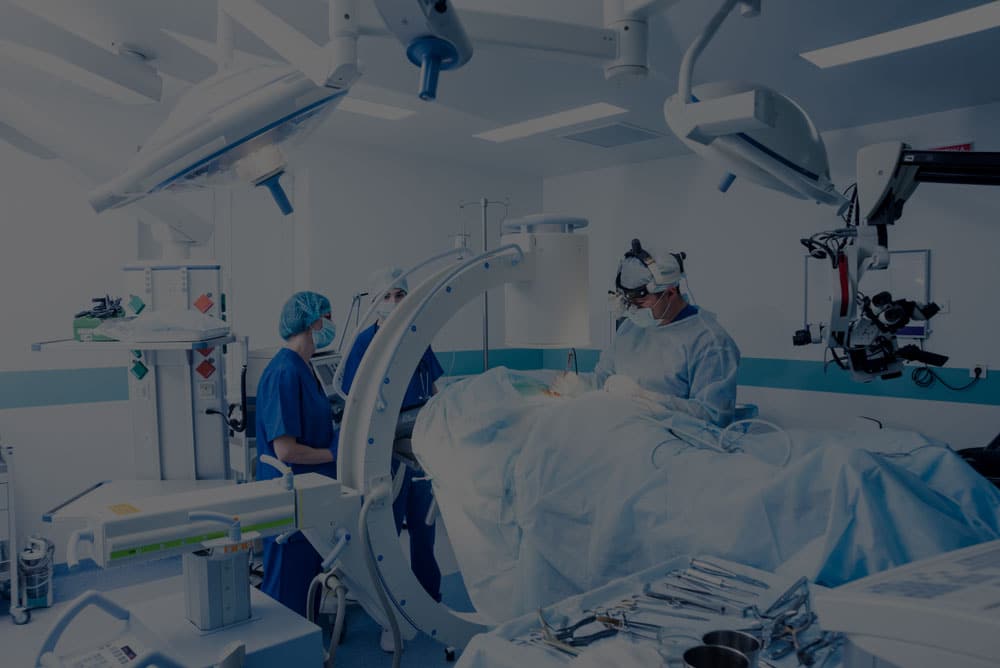
At Premier NeuroSpine, we specialize in the diagnosis and treatment of disorders affecting the brain, spine, nerves, and musculoskeletal system. Our team provides comprehensive evaluations and individualized treatment plans for a wide range of neurological and spinal conditions, from common causes of neck and back pain to complex neurosurgical disorders.
We are committed to delivering evidence-based care using the latest diagnostic tools and treatment options, including both non-surgical and surgical approaches when appropriate. Our goal is to relieve pain, restore function, improve quality of life, and help patients return to the activities that matter most.
Adhesive Arachnoiditis
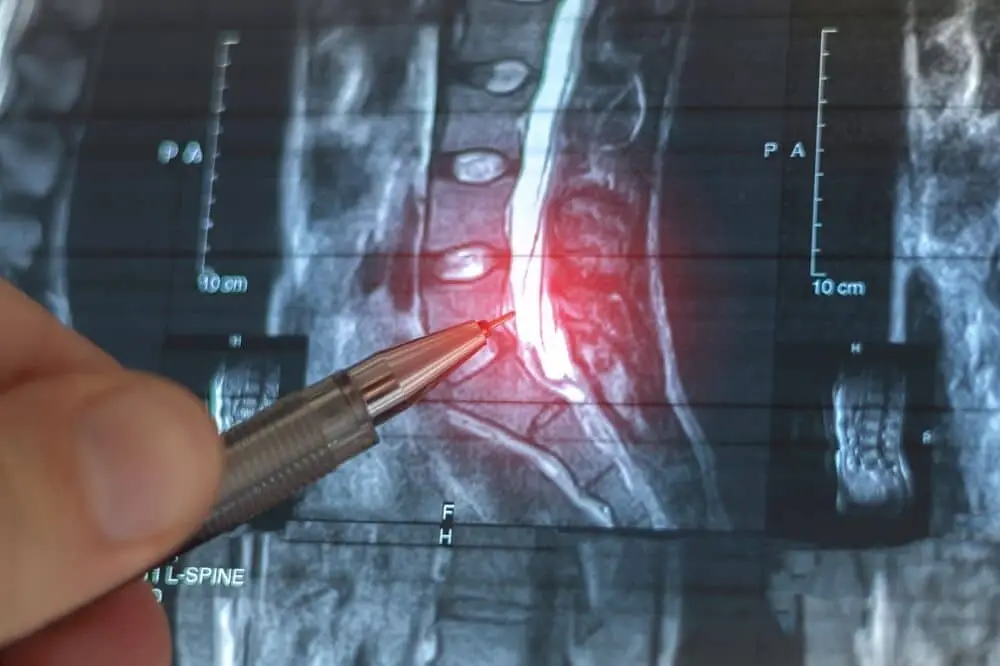
Adhesive arachnoiditis is a rare but serious inflammatory condition affecting the arachnoid membrane, one of the protective layers surrounding the spinal cord and nerves. Inflammation causes the spinal nerves to become irritated and stick together, leading to chronic pain and neurological dysfunction. This condition can progressively interfere with normal nerve signaling and mobility.
Brain Aneurysm
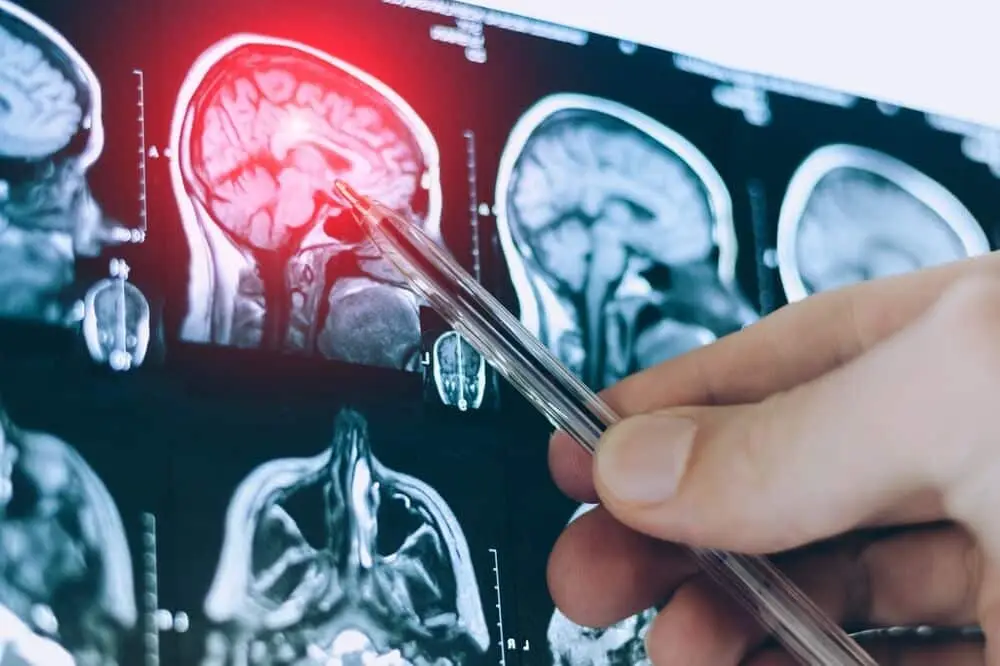
A brain aneurysm is a weakened, bulging area in the wall of a cerebral artery. If an aneurysm ruptures, it can cause life-threatening bleeding in the brain known as a subarachnoid hemorrhage. Some aneurysms remain unruptured but still carry a risk of rupture.
Brain Tumors
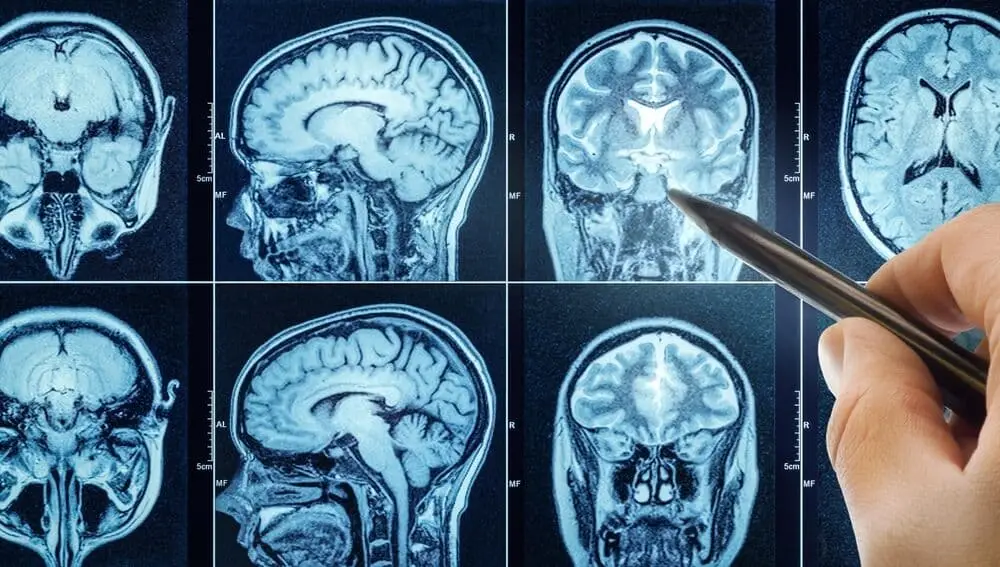
Brain tumors are abnormal growths of cells within the brain or surrounding tissues. These tumors may be benign or malignant and can originate in the brain (primary tumors) or spread from other parts of the body (metastatic tumors). As brain tumors grow, they can increase pressure within the skull and interfere with normal brain function.
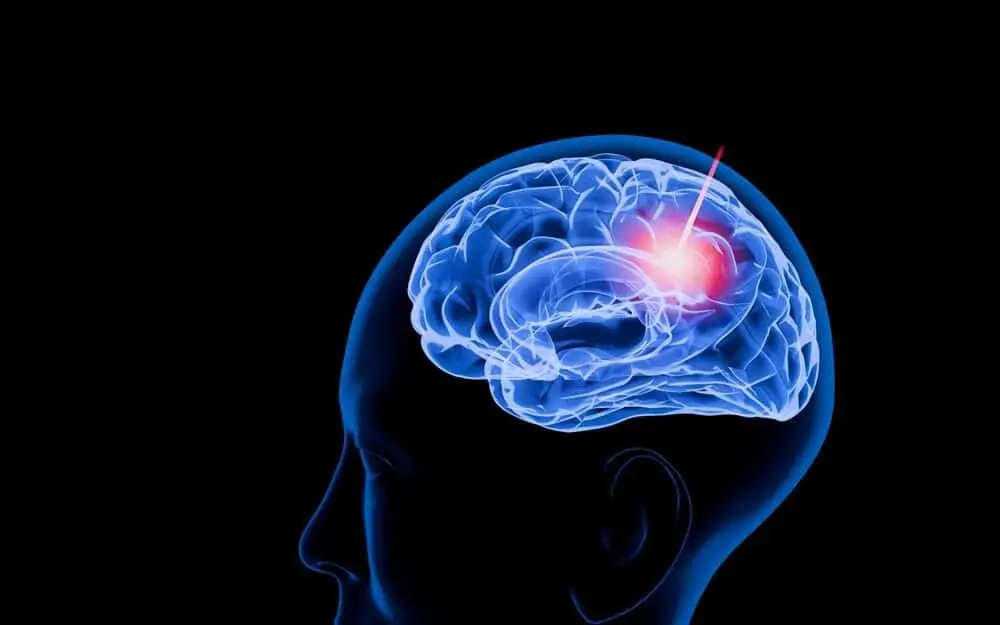
Cerebral Hemorrhage
Acoustic neuromas, also known as vestibular schwannomas, are benign, slow -growing tumors that develop from the Schwann cells covering the vestibular (balance) portion of the eighth cranial nerve. This nerve connects the inner ear to the brain and plays a key role in hearing and balance. As these tumors enlarge, they may press on nearby nerves and brain structures.
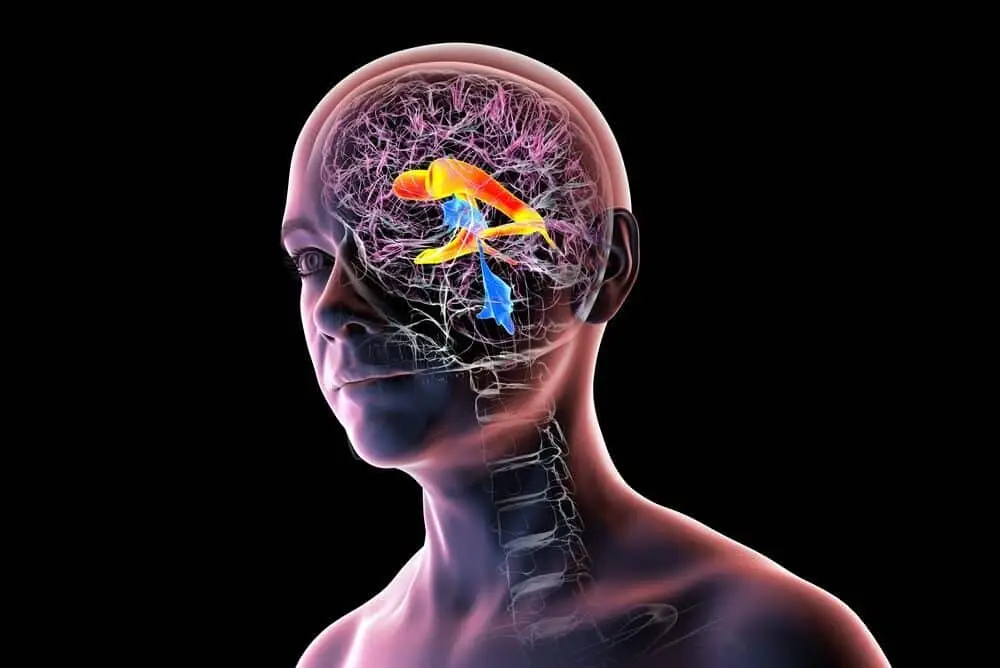
Cerebrospinal Fluid Leaks
Cerebrospinal fluid leaks occur when there is a tear or defect in the membranes that contain cerebrospinal fluid surrounding the brain and spinal cord. This allows CSF to escape, reducing the fluid that cushions and protects the central nervous system. CSF leaks can occur in the skull or spine and may lead to serious neurological complications if left untreated.
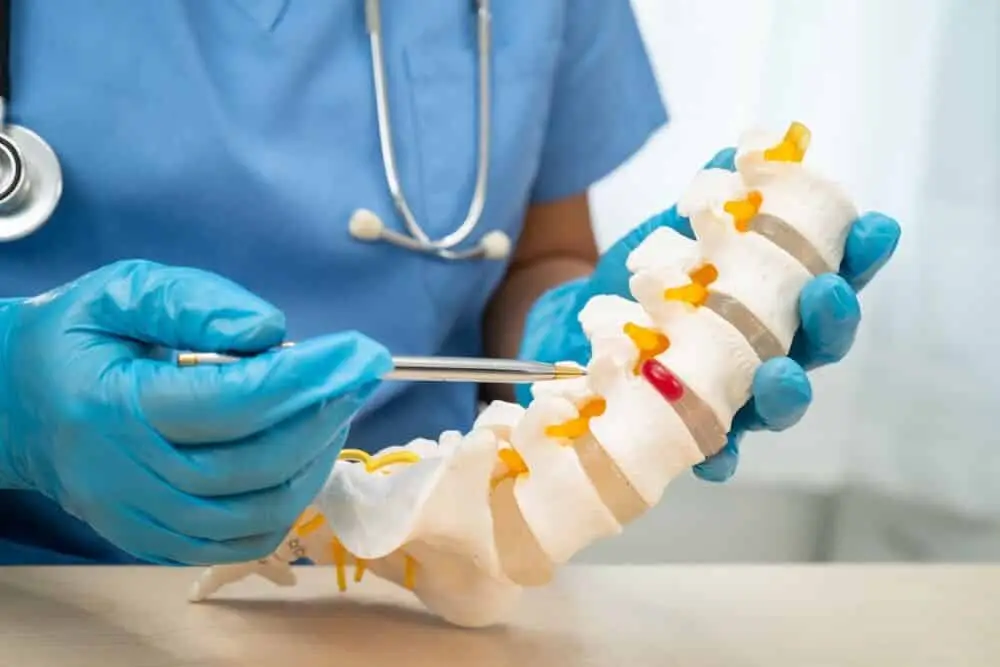
Degenerative Disc Disease
Degenerative Disc Disease is a condition in which the spinal discs lose hydration, flexibility, and height over time. These discs normally act as cushions between the vertebrae, allowing for smooth movement and shock absorption. As degeneration progresses, discs may bulge or collapse, leading to spinal instability and nerve compression that can cause chronic pain and neurological symptoms.
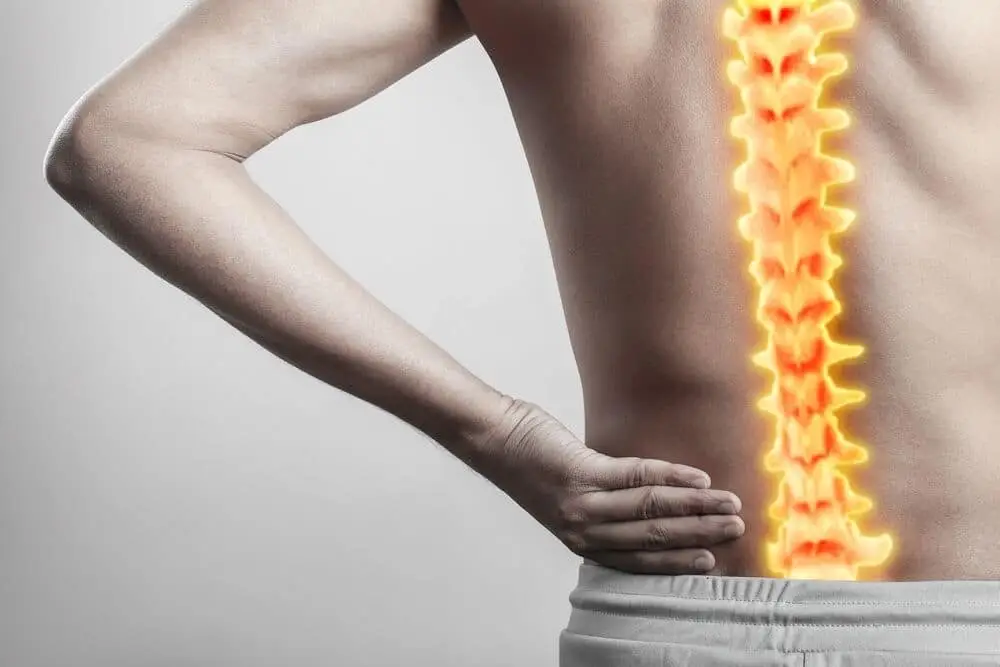
Facet Joint Dysfunction
Facet Joint Dysfunction is a condition affecting the small stabilizing joints located between the vertebrae of the spine. These joints help guide spinal movement and maintain stability. When facet joints become inflamed, worn down, or arthritic, they can cause localized pain, stiffness, and reduced spinal mobility, sometimes leading to nerve irritation.

Failed Back Syndrome
Failed Back Syndrome, also known as Failed Back Surgery Syndrome (FBSS), is a condition in which a patient continues to experience persistent or recurring pain following spinal surgery. The pain may occur in the back, neck, or extremities and can result from unresolved nerve compression, scar tissue formation, spinal instability, or degeneration at adjacent spinal levels.
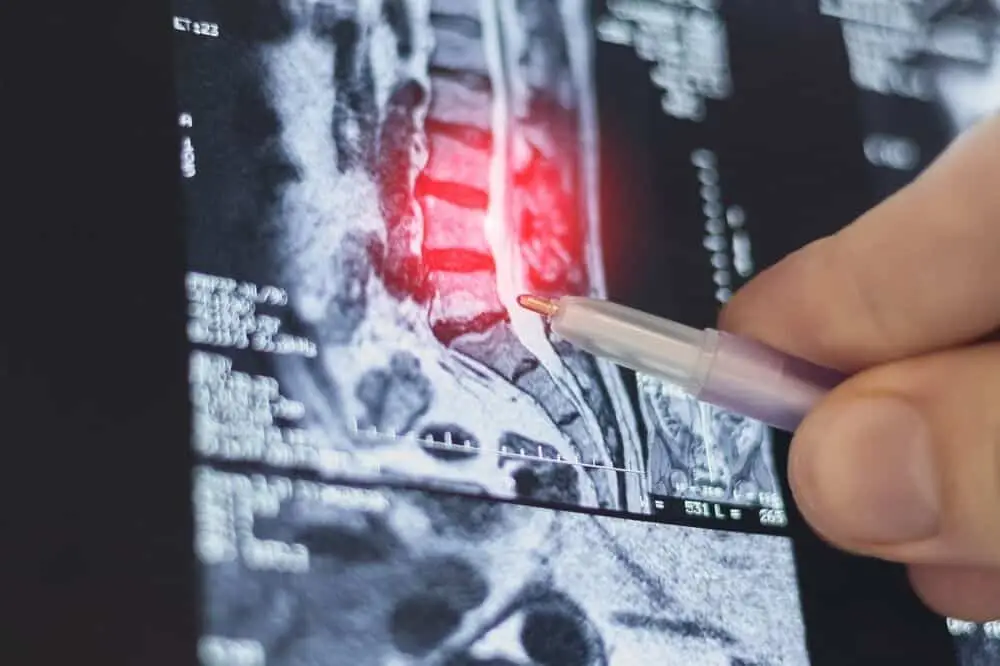
Herniated and Bulging Disc
Many people suffer from herniated and bulging discs every year. Therefore, knowing the differences between these conditions is vital to receiving appropriate treatment.
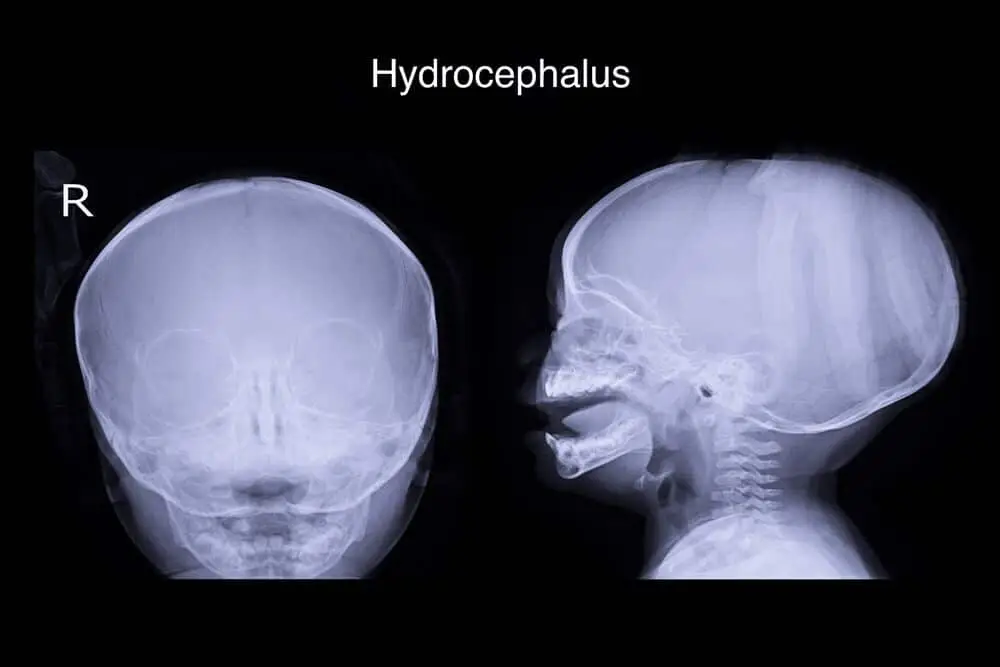
Hydrocephalus
Hydrocephalus is a condition in which excess cerebrospinal fluid accumulates within the ventricles of the brain, causing increased pressure inside the skull. This buildup can disrupt normal brain function and may occur in infants, children, or adults. If left untreated, hydrocephalus can lead to progressive neurological damage.
Meningioma
A meningioma is a typically benign tumor that arises from the meninges, the protective membranes surrounding the brain and spinal cord. Although often slow-growing, meningiomas can cause neurological symptoms when they compress adjacent brain tissue or nerves.
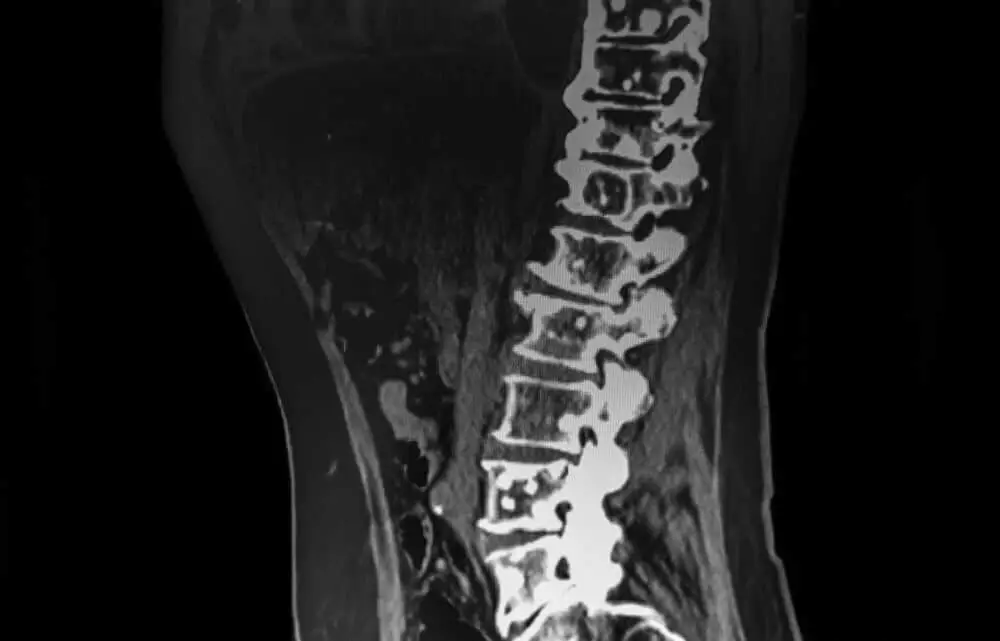
Metastatic Tumors
Metastatic brain tumors are cancerous tumors that originate in another part of the body and spread to the brain. They are the most common type of brain tumor in adults. Cancer cells typically travel to the brain through the bloodstream, forming secondary tumors that can disrupt normal brain function and increase pressure within the skull.
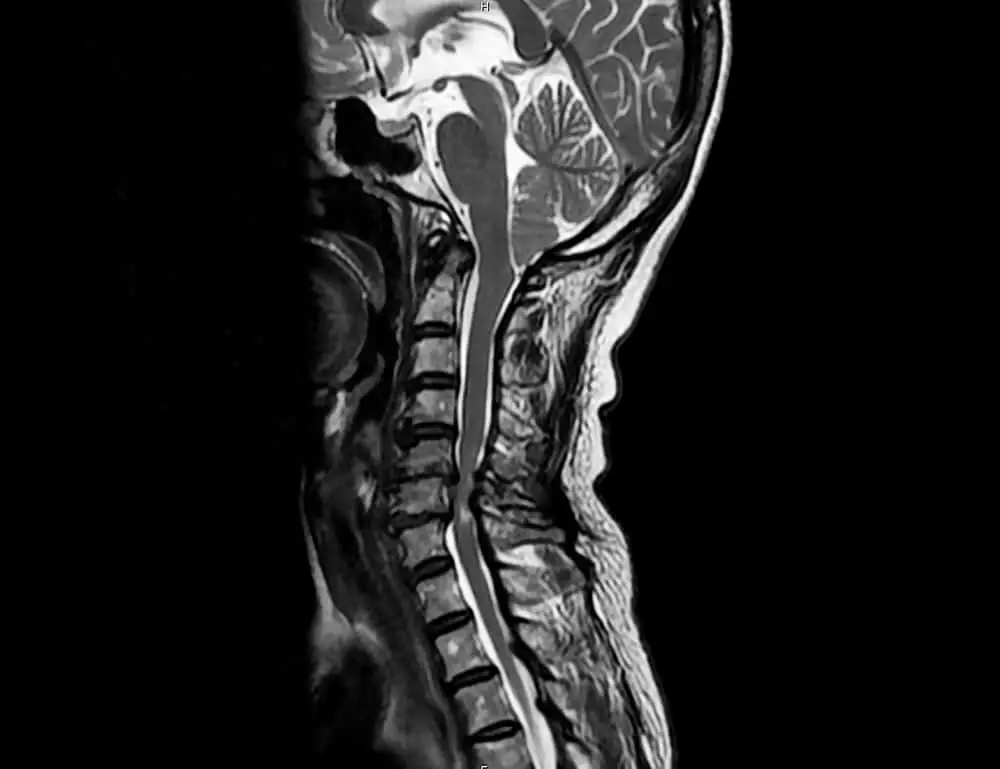
Myelopathy
Myelopathy is a painful condition that occurs when a nerve within the spinal cord becomes compressed or pinched. The compression may result from trauma, disc herniation, or degenerative disease.
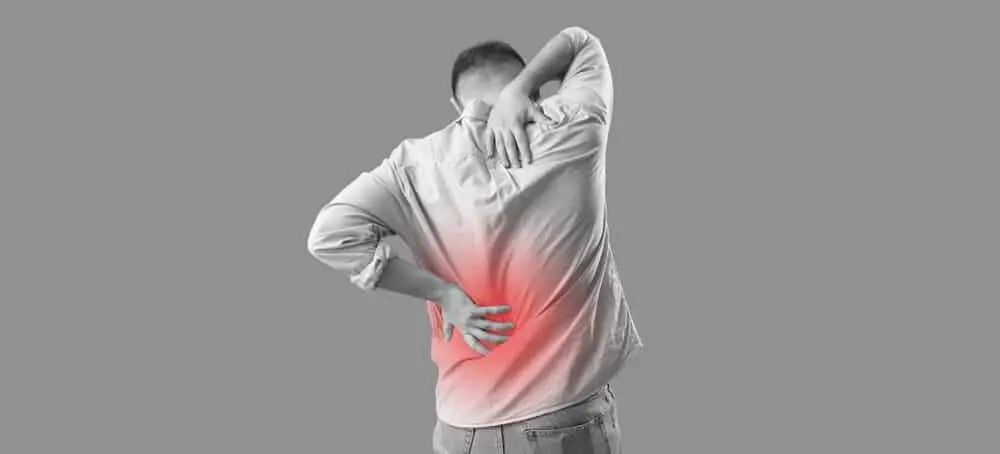
Osteoarthritis
Osteoarthritis is a degenerative joint condition that occurs when the protective cartilage cushioning the ends of bones gradually wears down.

Peripheral Nerve Compression
Peripheral nerve compression occurs when a nerve outside the brain and spinal cord is pressed, irritated, or entrapped by surrounding tissues such as muscles, ligaments, or bone. This pressure disrupts normal nerve signaling and can lead to pain, sensory changes, and weakness in the affected area.
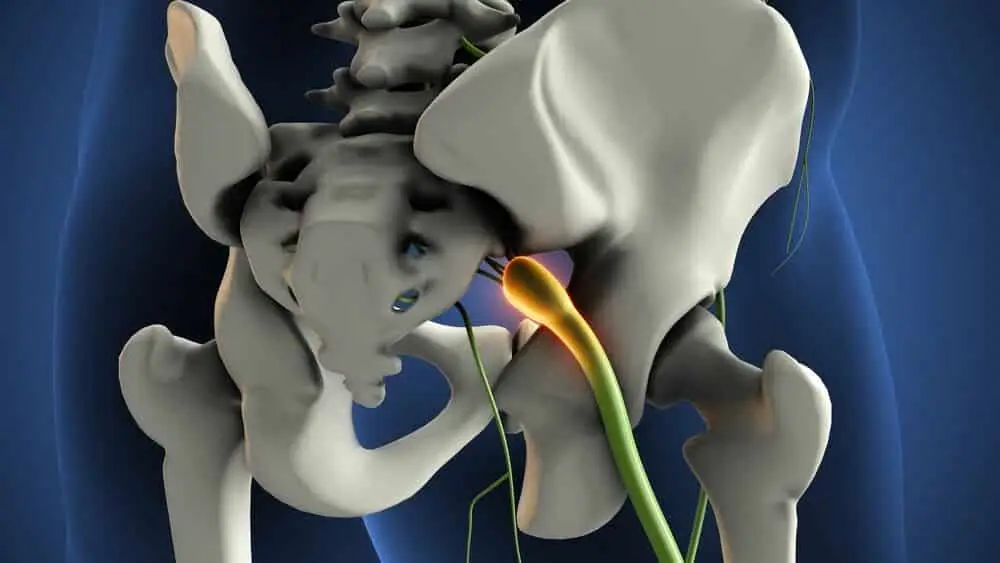
Peripheral Nerve Tumor
Peripheral nerve tumors are abnormal growths that develop on or near peripheral nerves outside the brain and spinal cord. These tumors may be benign or malignant and can interfere with normal nerve function by compressing or infiltrating the nerve, leading to pain and neurological deficits.
Pituitary Adenomas
Pituitary adenomas are benign tumors that develop in the pituitary gland at the base of the brain. The pituitary gland regulates hormone production throughout the body, and these tumors can interfere with normal hormone balance or press on nearby brain structures, including the optic nerves.
Radiculopathy
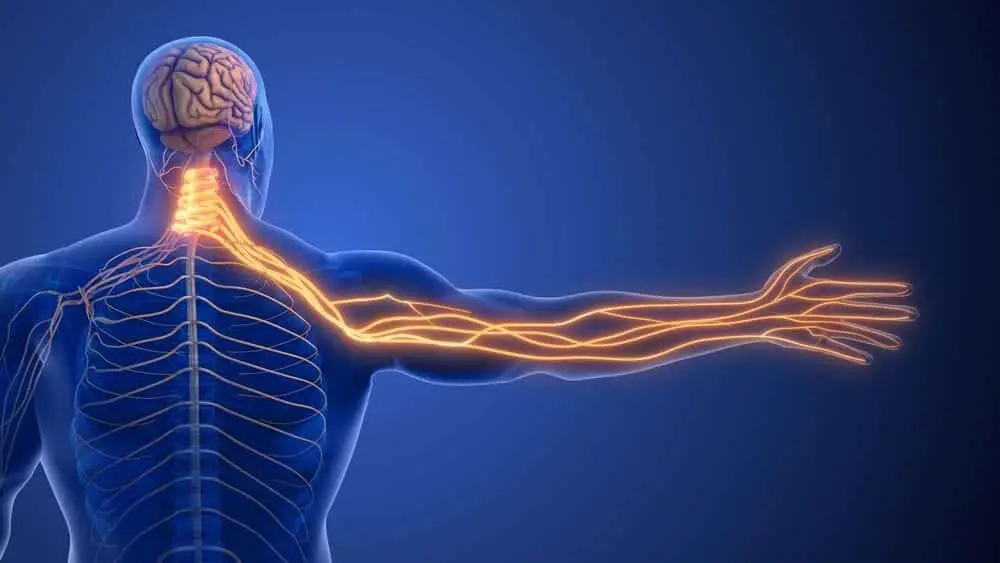
Radiculopathy occurs when a nerve along the spine becomes damaged or pinched in the spinal column. This condition is often related to a herniated disc. Radiculopathy may also occur due to sudden trauma.

Scoliosis
Scoliosis is a spinal condition characterized by an abnormal sideways curvature of the spine. The curve may develop in childhood or adulthood and can range from mild to severe. In adults, scoliosis is often associated with spinal degeneration, nerve compression, and postural imbalance, which may lead to pain and functional limitations requiring neurosurgical evaluation.
SI Joint Dysfunction
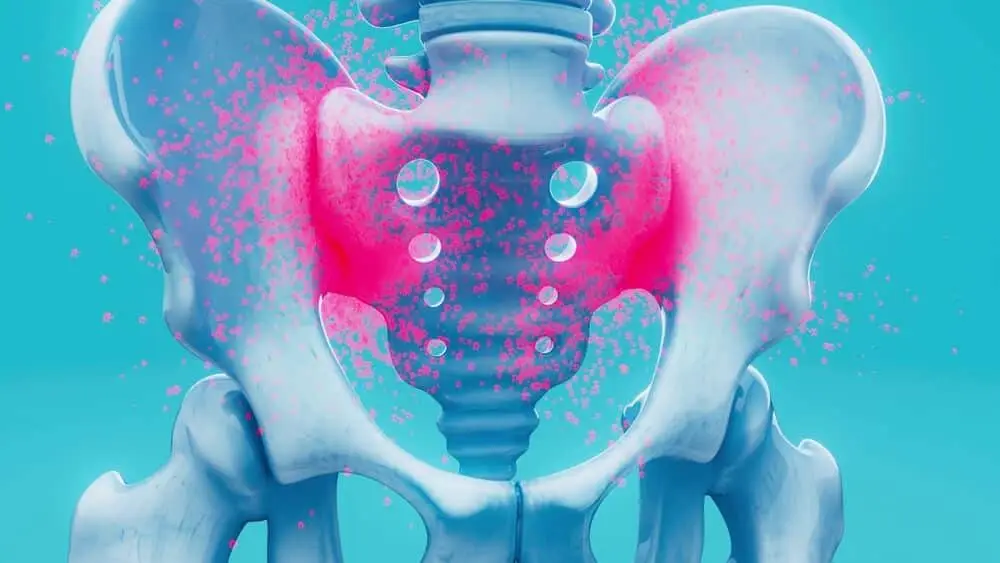
SI Joint Dysfunction occurs when the sacroiliac joints—located where the spine connects to the pelvis—become inflamed or move abnormally. These joints play a critical role in transferring weight and force between the upper body and lower extremities. Dysfunction of the SI joint can cause lower back and pelvic pain that is often mistaken for other spinal conditions.
Spinal Fractures
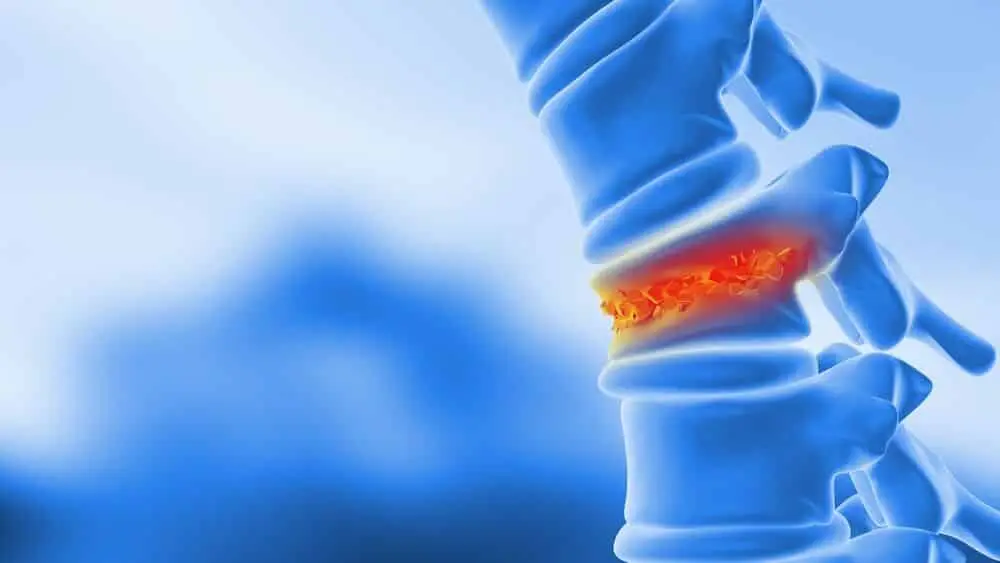
Spinal fractures occur when one or more vertebrae in the spine break or collapse due to trauma, injury, or weakened bone structure. These fractures can range from mild compression fractures to severe breaks that compromise spinal stability and place pressure on the spinal cord or nerves. Prompt neurosurgical evaluation is often necessary to prevent long-term complications.
Spinal Stenosis
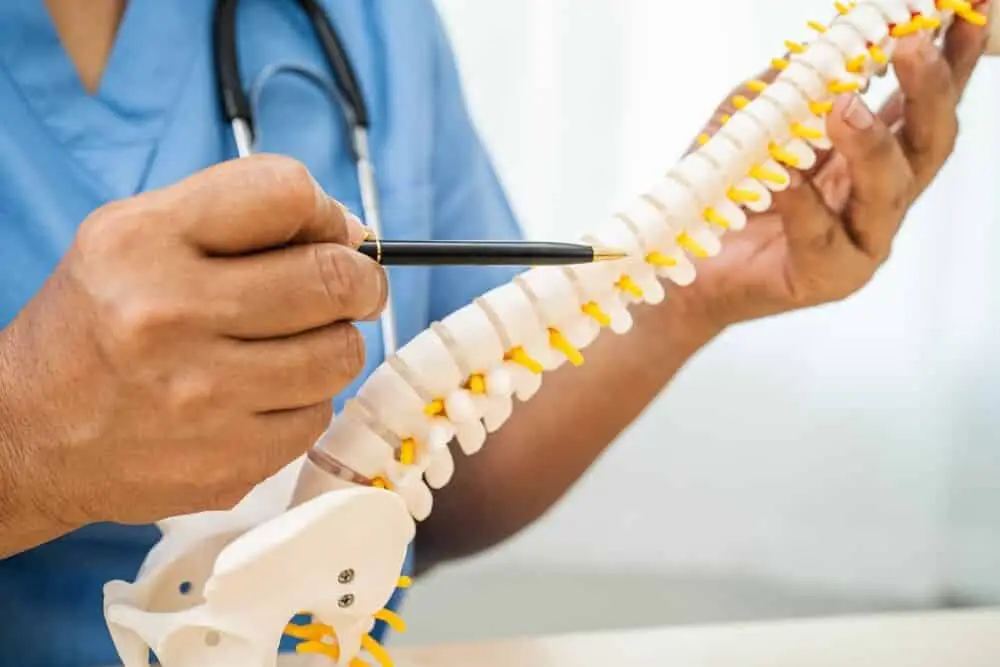
Spinal stenosis is a condition that occurs when the space within the spinal canal becomes too small to comfortably accommodate the spinal cord. As spaces within the spine begin to narrow with age, the spinal cord and nerve roots become compressed. When this occurs, a person often experiences extreme pressure on the spinal cord and nerves that can cause pain to travel through the spine.
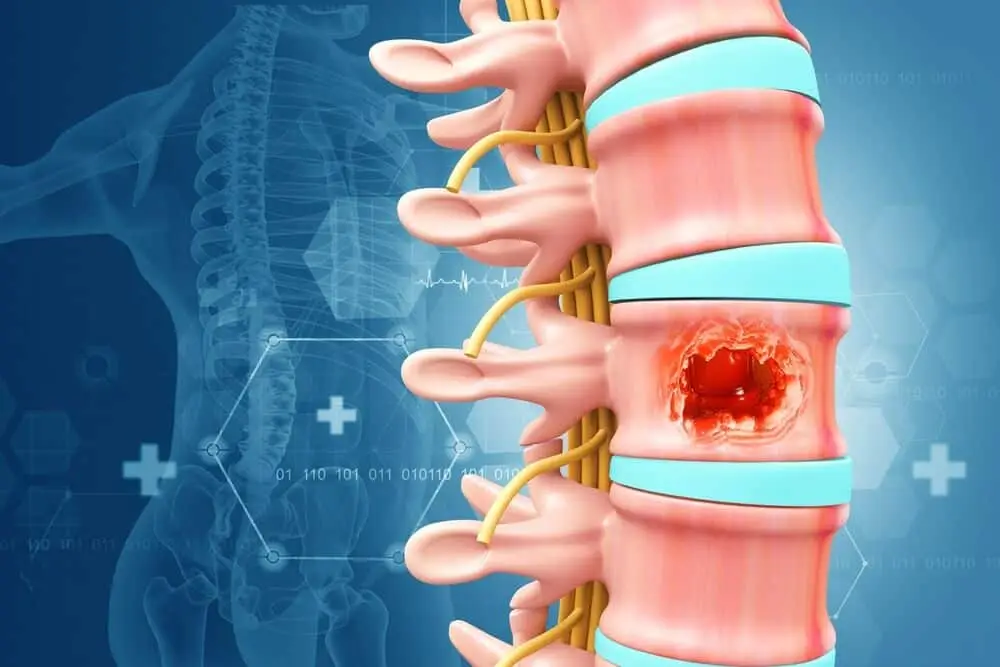
Spinal Tumor
Spinal tumors are abnormal growths that develop within or around the spinal cord, nerve roots, or vertebrae. These tumors may be benign or malignant and can originate in the spine or spread from other parts of the body. As spinal tumors grow, they can compress neural structures, disrupt spinal stability, and impair neurological function.

Spondylolisthesis
Spondylolisthesis is a serious condition that occurs when a vertebra slips out of its natural alignment and onto the bone below it, leading to significant instability and discomfort. When this happens, it places extensive pressure on the nerves, causing intense lower back or nerve pain. There are several types of spondylolisthesis.
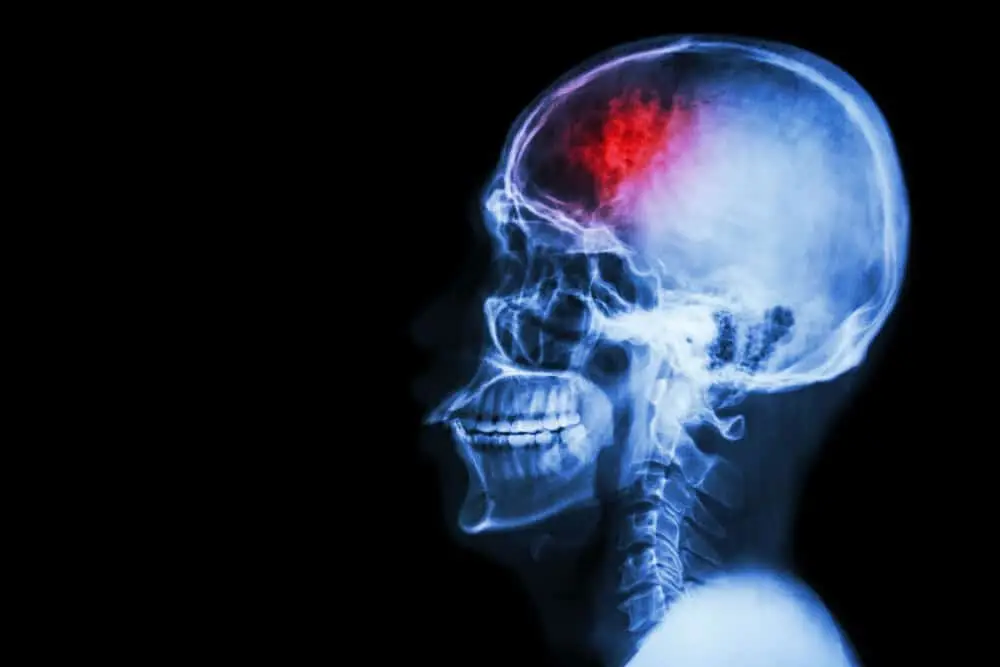
Stroke
A stroke occurs when blood flow to a portion of the brain is interrupted or significantly reduced, depriving brain tissue of oxygen and nutrients. Strokes may be ischemic, caused by a blockage, or hemorrhagic, caused by bleeding within the brain. Stroke is a medical emergency requiring immediate care.

Traumatic Brain Injury
Traumatic Brain Injury (TBI) occurs when an external force, such as a blow, jolt, or penetrating injury to the head, disrupts normal brain function. TBIs can range from mild concussions to severe injuries that result in long-term neurological impairment. The effects may be immediate or evolve, often requiring neurosurgical evaluation.
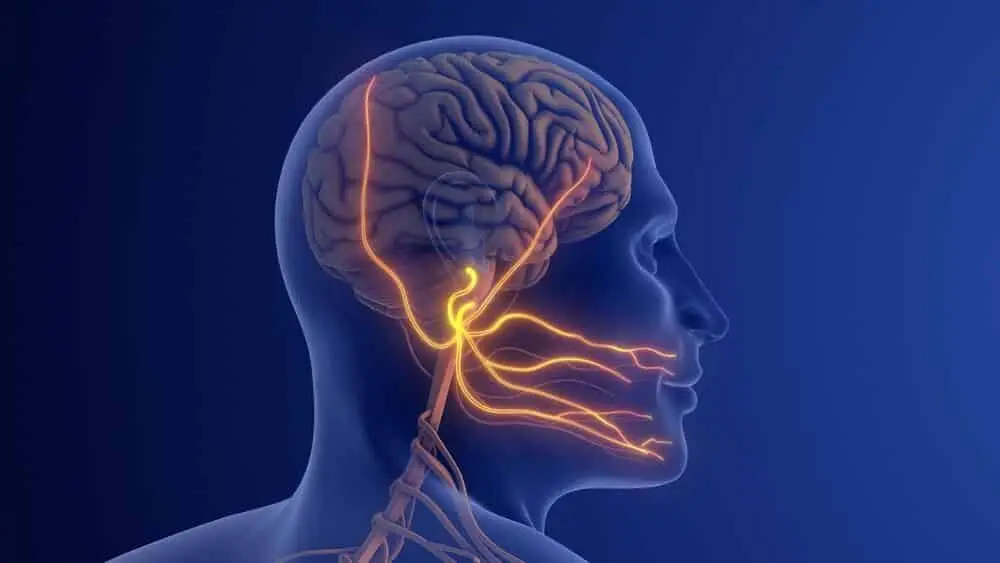
Trigeminal Neuralgia
Acoustic neuromas, also known as vestibular schwannomas, are benign, slow -growing tumors that develop from the Schwann cells covering the vestibular (balance) portion of the eighth cranial nerve. This nerve connects the inner ear to the brain and plays a key role in hearing and balance. As these tumors enlarge, they may press on nearby nerves and brain structures.
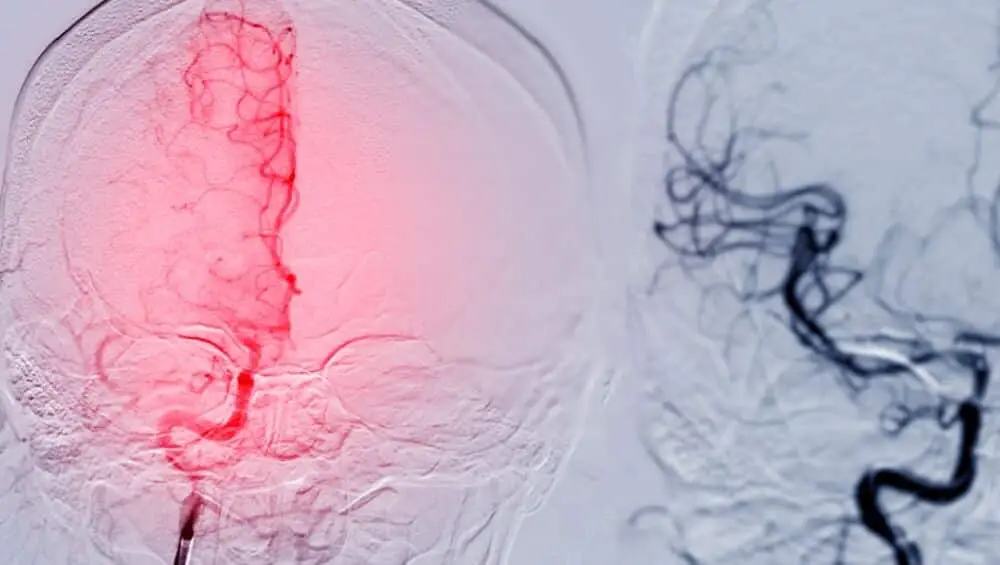
Vascular Malformations
Vascular malformations are abnormal connections or formations of blood vessels within the brain that disrupt normal blood flow.